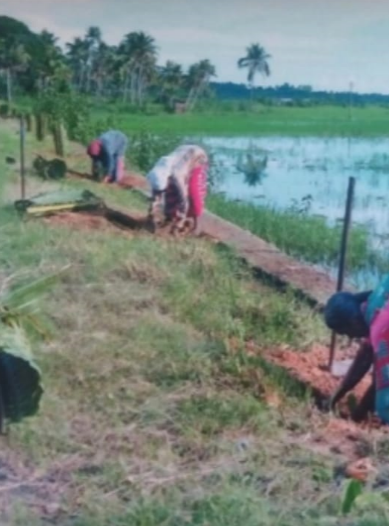
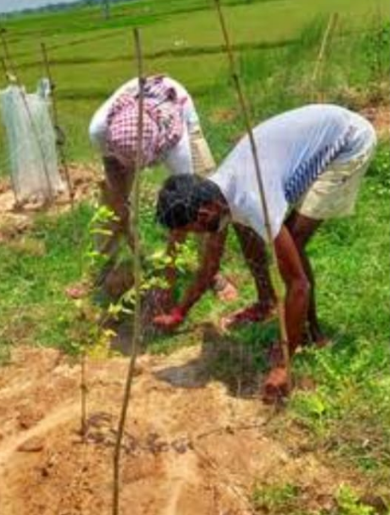
Starting your plants from seeds, cuttings, divisions, and layering saves money and expands options. But be prepared to give propagation a certain amount of attention. Young plants need tender loving care to get them off to a good start.
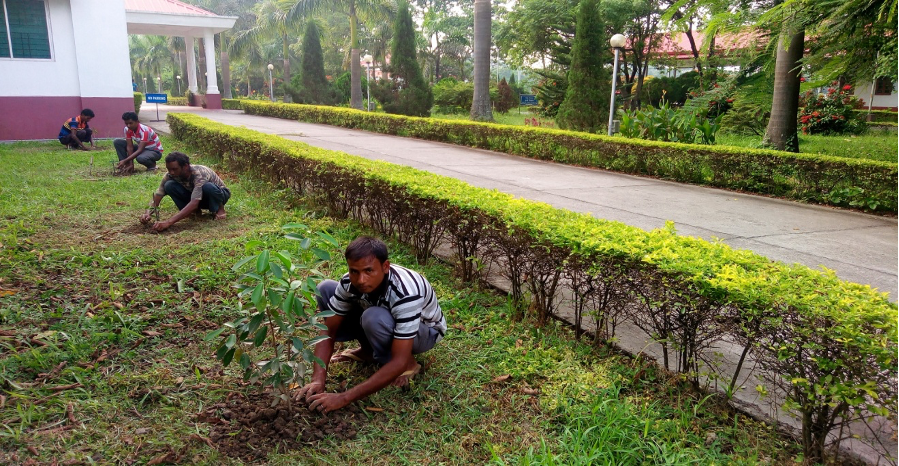
Many plants grow well from seeds, especially annual flowers, herbs, and vegetables. You can find new, rare, or old-fashioned varieties that aren’t available in local nurseries in seed catalogs. Seed sowing allows you to grow a few, dozens, or even hundreds of seedlings from a seed packet that costs a dollar or two. That’s the economy!
Certain special plants don’t grow from seeds. They need to be cloned (vegetatively propagated). This is done by rooting sections of stems, roots, and, in a few cases, leaves. Clump-forming perennial plants can be divided into several pieces. Stems of some kinds of plants can be rooted while still attached to the mother plant. This is called layering. Some plants can be propagated equally well in several ways. For example, lantana can be grown from seed (flower color will vary); started from cuttings, either in soil or in water; or propagated via layering.
Plants from Seeds Outdoors
There are times to plant seeds directly in the garden. When this is successful, it is economical and very effective, for the plants grow without the disruption of being transplanted.
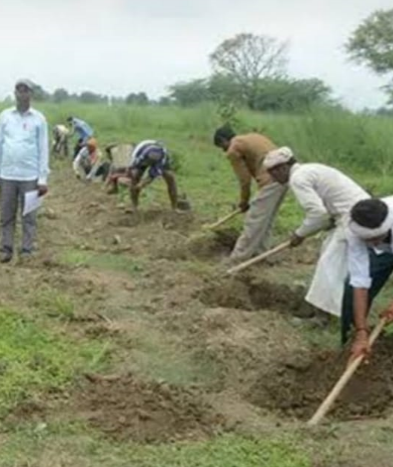
Prepare the soil for planting and be sure the plot is fertile and smooth. Make rows or wide swaths for the seeds, following the timing and spacing directions on the packets. Straight lines help you discriminate between your plants and the weeds. The classic way to make straight lines is with posts and strings as a guide. Hoe along the string line for the shallow row. Plant seeds at the depth indicated on the packet and cover lightly with soil. Tamp down the soil over the seeds to make sure they are contacting the soil, and water them in. Be sure to mark the rows.
Many of the guidelines for indoor planting also apply to outdoor planting, but the main difference is pest control. Tiny plants are vulnerable to everything from aphids to chipmunks, so it’s a good idea to plant more than you need and thin the plants later. Once they get past babyhood and are several inches high, thin them; they need space for the fast growth they are about to make.